
Traditional Braces – Sterling Heights, MI
Enjoy the Many Benefits of a Beautifully Straightened Smile

Braces are the tried-and-true way to address a variety of orthodontic concerns and can help people of all ages in Sterling Heights improve their dental health and boost their confidence in their appearance. This versatile service can address everything from crooked or misaligned teeth to more complex bite concerns, so you or your child can enjoy the many benefits of a beautifully straightened smile.
Continue reading to learn more about traditional braces, and feel free to contact our office to schedule an appointment!
Why Choose Dynamic Dental for Traditional Braces?
- Comfortable Dental Office with Spa-Like Amenities
- Patients of All Ages Welcomed
- Dental Insurance Accepted & Financing Available
How Do Traditional Braces Work?
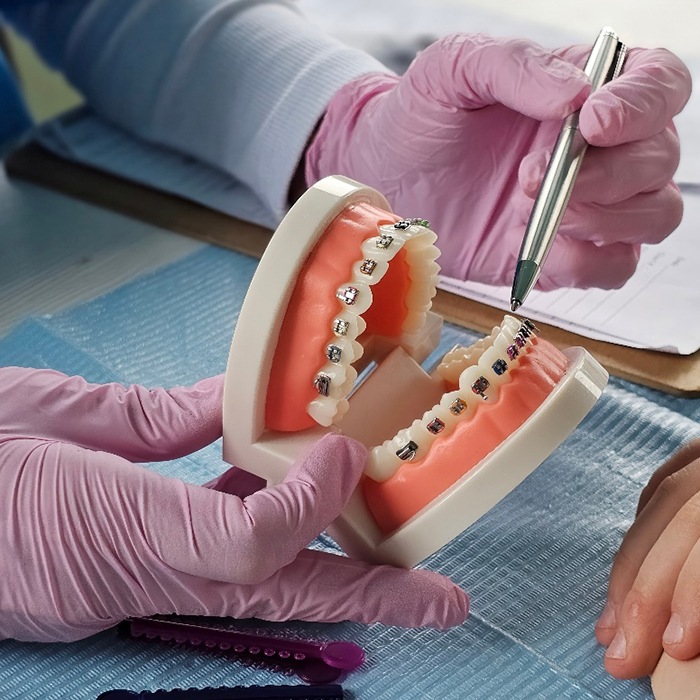
Standard orthodontics uses a system of metal brackets attached to the front surfaces of your teeth. These are then threaded with an archwire that can be adjusted to apply the right amount of pressure to shift your teeth into their ideal positions.
Depending on the severity of your condition and the type of misalignments present, your treatment plan might also include bands or other accessories to help straighten your teeth or reposition your jaw. Many patients complete this service within 18 to 24+ months.
What Orthodontic Issues Can Braces Fix?
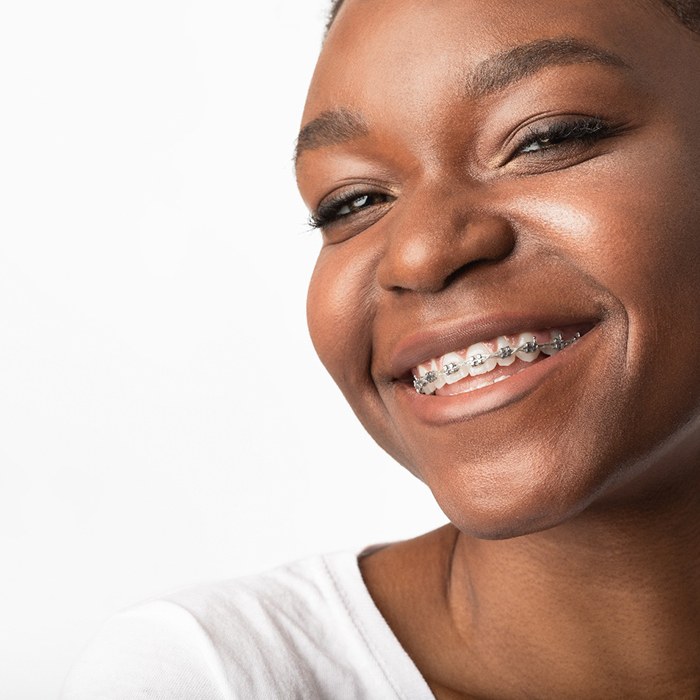
Braces allow Dr. Tamara to have more control over the movement of your teeth, so she can use them to address one or more of the following concerns:
Bite Misalignment
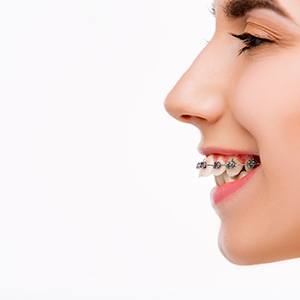
If your upper and lower arches don’t touch together correctly when you press them together, then you may have a bite misalignment, also referred to as a malocclusion. Issues like overbites, underbites, crossbites, and open bites can all contribute to additional oral health problems, such as worn-down enamel that increases the risk of damage, decay, and disease, or TMJ disorders and discomfort.
Braces are the standard solution for correcting jaw alignment and improving your dental condition, though your treatment might include bands or other accessories to accomplish this.
Crowded & Crooked Teeth
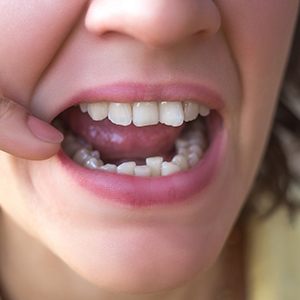
You might think of your crooked or overcrowded teeth as more of an aesthetic concern than an actual problem, but the truth is that it can also be harder to keep them clean if you can’t reach all their surfaces when you brush and floss. Unfortunately, that makes it easier to develop tooth decay, gum disease, and other concerns.
Repositioning your teeth with braces can therefore improve your dental health while simultaneously boosting your confidence in your looks.
Gapped Teeth
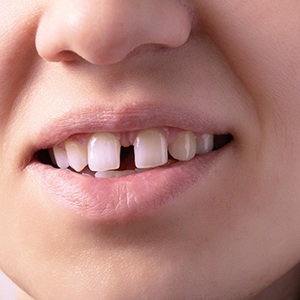
Wider gaps in your grin leave sections of your connective tissues unprotected and are prone to trapping bits of food or other debris, increasing the likelihood of developing cavities or gum disease. Traditional orthodontics can be an ideal way to pull your teeth closer together so you can enjoy the many benefits of an evenly spaced smile.
Taking Care of Your Braces
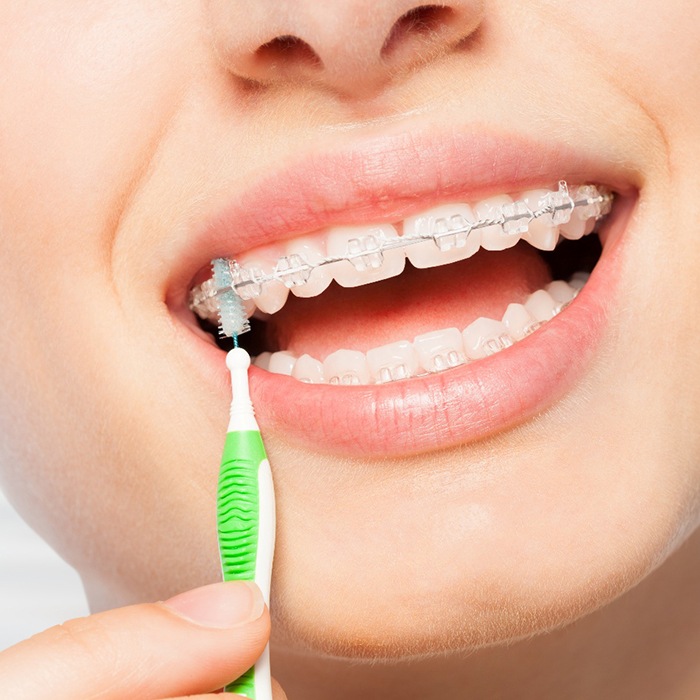
Traditional braces are attached to the fronts of your teeth for the duration of your treatment, and you must take certain precautions to avoid harming the metal brackets and wires, which can include:
- Implementing a routine. Brushing and flossing twice daily regularly removes plaque and bacteria that can gather on or around the brackets and wires to help keep your mouth clean.
- Choosing foods carefully. You should avoid anything overly hard, crunchy, or sticky that could destabilize, dislodge, or break your orthodontics.
- Protect your teeth. Using orthodontic wax to cover sharp edges and investing in a custom-fitted mouthguard during close-contact physical activities can help avoid trauma to your braces, teeth, or the tender tissues inside your mouth.
- Finding the right products. You may need to use special interproximal brushes or an oral irrigator to reach between the brackets and wires to remove stubborn plaque.
- Scheduling and attending follow-up visits. You’ll be expected to see Dr. Tamara for regular follow-up visits during your treatment, which allows her to monitor your progress and adjust the tension of your braces as needed.