
TMJ Treatment Sterling Heights
Helping You to Live Pain-Free

Jaw pain is often the result of an issue with your temporomandibular joints, referred to as the TMJ. These two joints connect your jaw to the rest of your skull and grant your mouth its wide range of motion. Unfortunately, though, when issues arise with these joints, it can be quite debilitating! Feel free to keep reading to learn a little more about how Dr. Tamara can help get to the bottom of your jaw pain through customized TMJ treatment; of course, don’t hesitate to contact our Sterling Heights dental office to set up an appointment.
Why Choose Dynamic Dental of Sterling Heights for TMJ Treatment?
- Personalized Treatment Plan for Every Patient
- Advanced Technology Ensures Comfortable, Effective Solutions
- Dental Insurance Accepted and Financing Options Available
Symptoms of TMJ Disorder/TMD
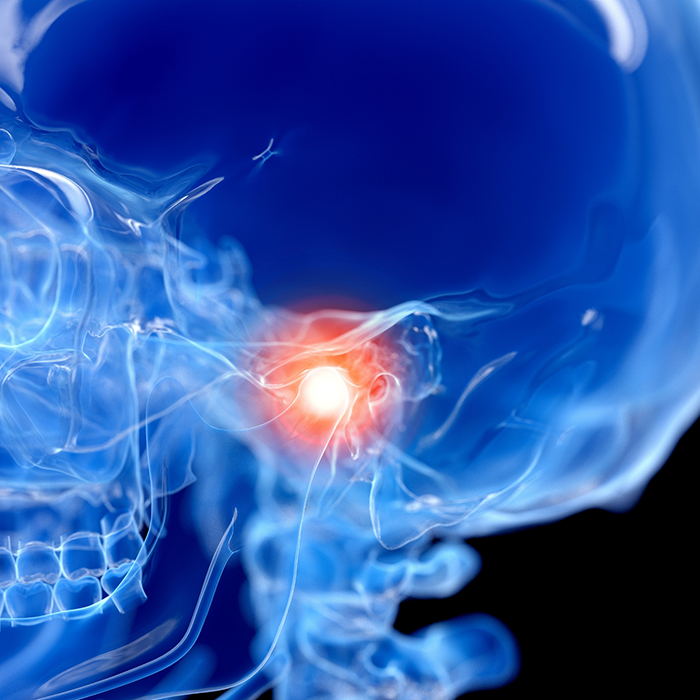
TMJ disorder, or TMD, isn’t always obvious, but it doesn’t often come with a few notable symptoms, including:
- Pain in your jaw, cheeks, face, or neck
- Popping or clicking noise when you open your mouth
- Constant headaches or migraines
- Difficulty biting and chewing
- Difficulty opening or closing your mouth
What Is the Main Cause of TMJ Disorder?
The main cause of TMJ issues is often a problem with your temporomandibular joints, which are located on both sides of your head, around the location of your ears. They’re essential for proper jaw movement, and when there’s a disorder, everyday actions can hurt. However, your joints can become damaged or weakened in several ways. Some of the most common ways include an injury to the area, due to bruxism (teeth grinding), or arthritis, which wears down the cartilage or bone.
How Can Dentists Treat TMD?
Dr. Tamara is board-certified and trained to serve those patients who are suffering from temporomandibular (jaw) related disorders causing head, neck, and facial pain. Here at Dynamic Dental of Sterling Heights, we always conduct a thorough assessment, diagnosis, and treatment of patients with facial pain and migraines.
Dr. Tamara can provide you with effective treatment in a variety of ways. She can create a custom oral appliance for you to relieve your pain, as well as provide other methods for learning how to relax your jaw, sometimes through the therapeutic use of Botox. Sometimes, malocclusion, in which the teeth don’t line up for the proper bite, can cause TMJ pain. Treatment for this could first involve Invisalign to fix the issue, which will alleviate jaw pain.
CAN TMJ Problems Go Away on Their Own?
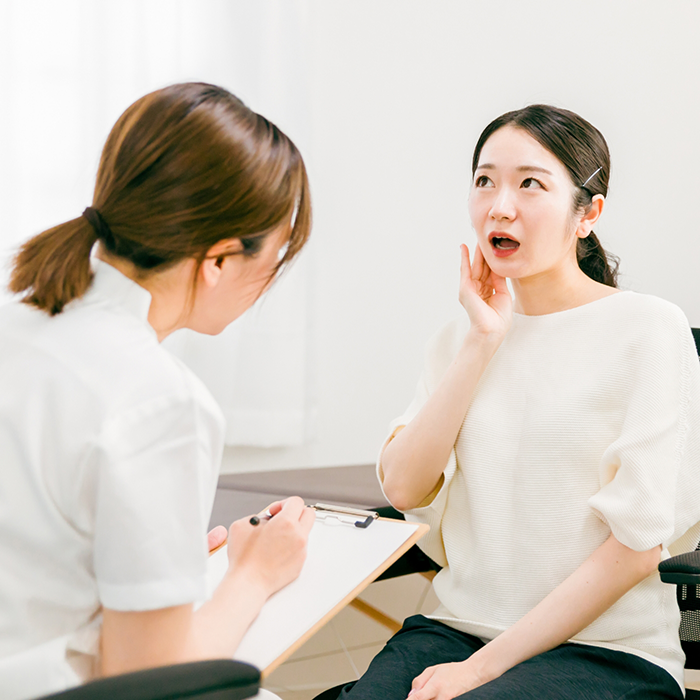
TMJ issues don’t usually go away on their own. It’s best to get an examination of your jaw so you can start improving your condition sooner and reduce your risk of serious issues. If you are suffering from jaw pain or any other similar issues that might indicate TMD, stop in for a consultation. Dr. Tamara can assess the condition of your jaw and come up with an effective, personalized treatment plan that addresses your pain and leads to peaceful sleep each night.
BOTOX for TMJ Treatment
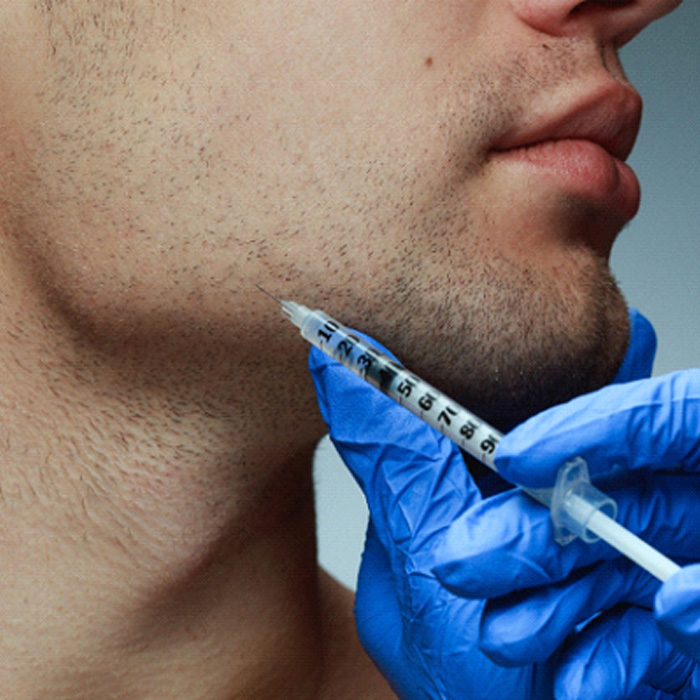
Although you may have heard of BOTOX to treat cosmetic issues like fine lines and wrinkles, many patients are surprised to learn that this injectable product can also be extremely beneficial in the treatment of TMJ dysfunction. Here’s a closer look at how it works, and how BOTOX for TMJ treatment in Sterling Heights could help bring temporary relief to your overworked muscles and delicate jaw joints!
What Is BOTOX?
BOTOX is a brand name for the bacteria botulinum toxin in a diluted form. Although it is best known for its use in treating fine lines and wrinkles in the face, BOTOX also has medical uses such as to treat the overworked muscles surrounding the delicate temporomandibular joints, allowing them to relax and release tension that could be responsible for chronic stiffness and pain.
In most cases, optimal results from this treatment will take between five and 10 days to be noticeable and can potentially last for up to four months. The injections themselves take just a few minutes to perform, and in most cases the entire treatment can be done in about 20 minutes.
To begin treatment, you’ll first need to visit Dr. Tamara for a consultation. At this appointment, she’ll review your symptoms and examine your jaw to determine how many injections will be necessary to provide you with lasting relief. Then, once your injections are complete, you can return to your regularly scheduled activities with no downtime!
Are You a Good Candidate for BOTOX for TMJ Treatment?
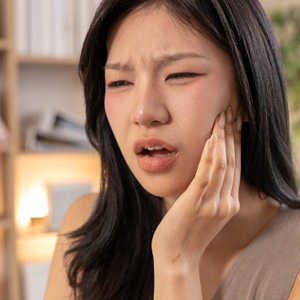
Temporomandibular joint dysfunction can have many symptoms, ranging from minor to debilitating. If you suffer from any of the following, you could be an ideal candidate for BOTOX for TMJ treatment in Sterling Heights:
- Jaw pain or tenderness.
- A clicking or popping sound when you open and close your mouth.
- Ear pain or ringing (tinnitus).
- Neck, shoulder, or back pain.
- Pain or difficulty chewing.
- Pain behind the eyes or ‘eye-aches’.
- Restricted mouth movement.
- Changes in your bite.
- Migraine headaches.
BOTOX is an ideal treatment for patients who are suffering from conditions like bruxism (teeth grinding), jaw tension, and muscle spasms. It can also help alleviate discomfort due to overworked muscles.
Please understand that while it can provide temporary relief in the right situation, BOTOX is not suitable for everyone, as it only treats the pain and not its underlying cause.
How Can BOTOX Treat TMJ Disorder?

BOTOX injections can be extremely effective at reducing pain from TMJ dysfunction by helping to ease tension in the surrounding muscles. A 2012 study found that BOTOX significantly decreased pain from mouth movement for three months following treatment, while another study determined that 90 percent of participants experienced an improvement in their TMJ dysfunction symptoms following BOTOX treatment.
BOTOX for TMJ treatment in Sterling Heights is ideal for patients experiencing side effects of temporomandibular joint dysfunction by:
- Reducing the frequency and intensity of headaches.
- Promoting better sleep.
- Reducing the frequency and intensity of bruxism (teeth grinding).
To learn more about this treatment and to see if you qualify, contact Dynamic Dental of Sterling Heights today to schedule a consultation!
TMJ Treatment FAQs
Can TMJ disorder be cured?
The answer to this question largely depends on what the underlying cause of your condition is. Some cases of TMJ disorder can be cured with interventions such as orthodontics, while others may require surgical intervention or equilibration. This is typically the case when the underlying cause of your condition is due to untreated issues such as bite misalignment or an ill-fitting restoration.
TMJ disorder can also be caused by stress, leading to bruxism and other cascading concerns that exacerbate the symptoms. In these cases, you may only be able to minimize your pain and keep the issue from becoming worse with treatments such as BOTOX and occlusal splints. The best way to learn whether your TMJ disorder can be permanently treated is by visiting a dentist for a TMJ treatment consultation in Sterling Heights.
Is BOTOX for TMJ disorder safe?
BOTOX is a brand name for botulinum toxin, which is a bacteria that can be injected into facial muscles to help relax them (that’s why it’s also great at minimizing wrinkles!). When administered by a trained professional, BOTOX is a completely safe intervention to help minimize TMJ pain and improve a patients’ quality of life.
How long does it take for BOTOX for TMJ disorder to kick-in?
BOTOX is excellent for patients with mild to moderate TMJ disorder because it is a relatively fast-acting way to relieve pain. Patients typically notice relief within a couple of days following the procedure, but injections can wear off over time. Many patients with TMJ disorder visit the dentist every two or three months to get routine injections as a longer-term way to manage their jaw pain.
Can TMJ disorder be treated without surgery?
At Dynamic Dental of Sterling Heights, our specialty is treating patients with TMJ disorder without surgical interventions. We first try non-invasive ways to manage pain and address bite problems before referring out to specialists. These can include custom nightguards to prevent added tension and pressure on the teeth and jaw joints, as well as BOTOX treatment to relieve muscles strain and chronic headaches.
Is TMJ treatment covered by insurance?
Some TMJ treatments, such as nightguards for bruxism, may be partially covered by your dental insurance. Our team can help check your benefits to let you know if treatment will be an out-of-pocket expense. In most cases, BOTOX treatment is not covered by dental insurance. We also offer third-party financing through CareCredit to help split the cost of treatment into smaller, easy to manage monthly payments.